Recently, the European Union (EU) and the United Kingdom (UK) have experienced a massive increase in the sales of non-alcoholic vodka. This trend is changing the industry of beverages, as increasing consumers are seeking alcohol-free options without compromising the essential qualities of their favorite spirits. In this deep exploration of the subject we’ll dive into the world of non-alcoholic vodka, understanding what it is and why it’s getting huge popularity.
What is the exact definition of Non-Alcoholic Vodka?
Non-alcoholic vodka is often known as “alcohol-free vodka” or “spirit alternative,” is a beverage created to resemble the taste and smell of traditional vodka with no alcohol content. It’s produced using a mix of herbs, plants, along with other flavouring ingredients that closely like the traditional characteristics of vodka. The result is one drink that can provide the same vodka taste but without the euphoric effects.
The Attraction of Non-Alcoholic Vodka
The surging interest in non-alcoholic vodka can be attributed to a number of factors. The first is that the health and wellness trends sweeping across EU and UK are encouraging consumers to take more care in the selection of their beverages. Non-alcoholic vodka follows these new trends, and allows consumers to relish the flavours of vodka without having the negative health risks associated with drinking alcohol.
Furthermore, the younger age groups including Millennials as well as Generation Z, are driving this shift. These demographic groups are more healthy and are increasingly opting to drink-free options. As a result, non-alcoholic vodka is now the preferred option for some of the population.
Recent market reports support this trend, indicating that there has been a significant increase in sale of spirits that are not alcoholic, including vodka alternatives. Consumers are actively searching for these drinks, both in physical stores as well as on the internet, in search of satisfying alternatives to traditional drinks.
As we move on with our research further, we’ll explore how the factors are driving the rise of non-alcoholic vodkas in the EU as well as the UK. In the following section we’ll discuss the important role played by health and wellness trends in the rising popularity of this unique alternative spirit.
The Appeal of Non-Alcoholic Vodka
The appeal of non-alcoholic vodka is multifaceted and appeals to consumers who are increasingly concerned about their health and mindful of their drinking routines. Let’s take a review of the reasons why this trend is getting noticed.
Health and Wellness Trends
The movement to improve health and wellbeing is gaining momentum in recent years. People are becoming more aware about the consequences of their dietary choices and the drinks they drink. This awareness has led to an enormous shift in tastes which has led to many consumers seeking alternatives that let them taste the foods they love but without compromising their health.
Non-alcoholic vodka perfectly aligns with this healthy lifestyle. It is a great option for those looking to relish the flavor of vodka cocktails without the damaging side effects of alcohol. This trend has a wide range of consumers that range from fitness enthusiasts trying to stay active and those seeking to make healthier choices.
Statistics and Data
Recent market surveys and surveys in The EU and UK demonstrate the growing attraction to non-alcoholic spirit. People are not just intrigued by these spirits and are actively incorporating them into their daily lives. Studies show that there is a steady growth in sales and consumption of non-alcoholic spirits like vodka and other alternatives.
In the following section, we’ll explore how changing consumer preferences, particularly among younger generations, have contributed to the rising popularity of non-alcoholic alcohol in the market.

Non-Alcoholic Vodka: A Game-changer for Health-conscious Consumers
In the prior section we explored all things non-alcoholic vodka and were able to understand what it is and why it’s growing in popularity across this region. European Union (EU) and the United Kingdom (UK). In the next section, we’ll continue our investigation of this intriguing trend, we’ll now turn our attention towards the factors driving rise of non-alcoholic vodkas both in the EU and UK regions. We’ll specifically examine the central role played by health and wellness trends in the rising popularity of this particular alternative spirit.
Revolution in Health and Wellness Health and Wellness Revolution
The increase in non-alcoholic vodka in the EU and UK is in large part due to the health and wellness revolution that’s taking over the drinks industry. People, specifically Millennials and Generation Z, are increasingly mindful of their health and are making more mindful choices about their beverages.
A Healthier Alternative
Non-alcoholic vodka is an attractive alternative for those who wish to enjoy the tastes of vodka without the detrimental health risks associated with alcohol consumption. This perfectly aligns with larger trends in wellness and health that have people looking for alternatives that allow them to drink without harming their health.
Fitness Enthusiasts and Active Lifestyles
For people who are who want to live a more active life non-alcoholic vodka is an absolute game changer. It fulfills the requirement for a drink that will complement their healthy lifestyles. When it’s time for a post-workout celebration or an energizing drink during an exercise retreat, non-alcoholic vodka is the best choice.
Wellness-Driven Consumers
Wellness-focused consumers are actively incorporating non-alcoholic spirits into their diets. This demographic views it as an option that is beneficial to their overall health and supports the goals of their wellness. Because alcohol isn’t present, it makes it a safer and more appealing option for those looking to enjoy the pleasure of drinking vodka-infused cocktails.
Market Statistics confirm the trend
The market data for Europe and the UK confirms that market data in EU and UK confirm the growing demands for alcohol-free spirits, for example, vodka alternative. Statistics reveal a consistent increase in sales, and consumption of these spirits. This confirms the notion that wellness and health are key factors in the rise of non-alcoholic vodka.
In the next part, we’ll dive deeper into the evolving preferences of buyers specifically among younger generations as well as how these preferences contribute to the market’s transformation. Understanding the shifts in these preferences is crucial for understanding the larger implications of this trend.
The Changing Landscape of Consumer preferences
In the last few years, there has been an apparent shift in consumer preferences, particularly among younger generations. Millennials in particular and Generation Z are at the forefront of this transition as they redefine what it is to enjoy beverages.
Mindful Consumption
Younger consumers are much more conscious of the amount they drink. Many have seen the consequences on their drinking habits from older counterparts and they are determined to avoid similar mistakes. So, they’re searching for alcohol-free alternatives that enable them to attend social events without suffering the negative side effects of alcohol.
The Experience Economy
Another major shift is the development of the “experience culture.” Generations of younger people are more interested in experiences than possessions. Going out and having a blast doesn’t necessarily mean alcohol. They are instead looking for different experiences, and non-alcoholic vodka is perfectly suited to this narrative.
The Rise of Mocktails
Mocktails, also referred to as non-alcoholic drinks have seen a huge rise in popularity among younger consumers. They are sophisticated and alcohol-free. are not just an alternative for traditional cocktails. They are viewed as an exclusive and enjoyable experience in its own unique way.
What’s Next?
As we’ve observed in the past, wellness and health trends and evolving consumer trends are driving the rise of non-alcoholic alcohol in the EU and UK. In the next section, we’ll explore the economic consequences of this new trend, including the impact on beverage industry and its potential for growth and innovation.
Your Go-To for Bulk Non-Alcoholic Spirits: Direct Orders from Swedish Distillers!
The Economic Benefits of Non-Alcoholic Vodka as a Market that is Growing
As we have explored the world of non-alcoholic vodka, we’ve examined the genesis of this fascinating trend as well as uncovered the role of health & wellness in its rise on it’s EU as well as UK markets. This is the third installment of our series, we take a look at the commercial implications of the non-alcoholic vodka phenomenon.
One Market that is On the Rise
The market for non-alcoholic vodka in the EU and UK is far from being an exclusive trend. This is a rapidly growing market that’s garnering attention from all stakeholders, including consumers. Let’s review of how this market has an impact on the economics.
Surging Sales
Sales of non-alcoholic vodka products have been steadily increasing suggesting a robust and growing market. It’s not a quick trend, but a steady demand that is a reflection of consumers’ shift in preferences. The economic impact of this growth is significant, boosting the overall revenue from the spirit industry.
An Expanding Consumer Base
Non-alcoholic vodka is expanding the appeal of spirits to consumers. It appeals to not only those who choose to stay away from alcohol but also to consumers looking for a wider variety of choices. This growth of the consumer base leads to a greater market size and, as a result and a positive economic outcome.
Investment and Innovation
The growing popularity of non-alcoholic vodka has prompted organizations to increase their investment in research and. They’re working to create new products that cater to the taste preferences of the consumers. The investment in innovation not only drives product quality but also promotes development in the drink industry.
Employment Opportunities
As the market grows is the demand for skilled workers in various areas of the industry. From distribution and production to marketing and sales the growing popularity of non-alcoholic vodka provides employment opportunities and boosts job growth.
Environmental Considerations
Non-alcoholic vodka production usually has lesser carbon footprint compared to traditional vodka production, which requires fermentation and distillation. This is in line to the growing interest in sustainability for the environment that makes non-alcoholic vodka an appealing choice for eco-conscious consumers.
What’s next
As we’ve observed, the economic impact of non-alcoholic booze in the EU and UK is massive and multifaceted. The market is growing and sales are growing and it’s creating new employment possibilities while also being in line with the sustainability goals. In the next part we’ll investigate the way that the non-alcoholic trend has prompted innovation as well as what customers can expect in terms and quality.
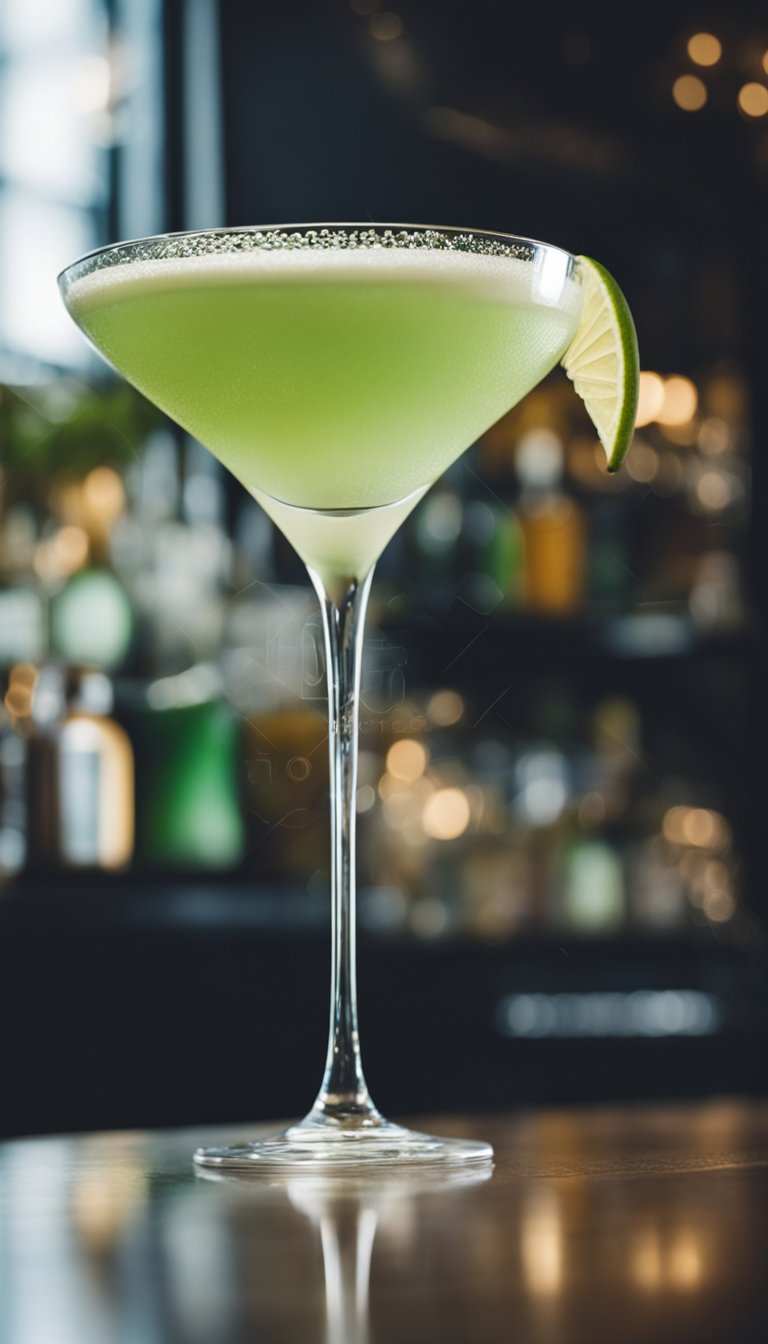
Innovations in Non-Alcoholic Vodka: What’s on the Horizon
In our investigation of the market for non-alcoholic vodka we’ve examined its history and examined the influence of the health and wellness trend, and scrutinized its economic impacts. Now, in the fourth installment of our series we explore the world that is awash with innovation and see what we can expect in the near future of this exciting area of industry.
Innovating with Innovative Ideas
One of the most fascinating aspects that the trend towards non-alcoholic alcohol is the unending pursuit of creating innovative alternatives to traditional spirits. We take a look at the world of innovative spirit that’s changing the landscape of non-alcoholic vodka.
Advanced Distillation Techniques
Master distillers are looking at advanced distillation methods that enable them to create spirits that are not alcoholic that are flavored and aromatic with a variety of flavors. These methods involve the elimination of alcohol, but preserving an essence that is derived from the plants and grains used in traditional vodka production.
Flavor Diversity
Non-alcoholic vodka isn’t limited to replicating the taste from traditional vodka. It’s evolving into a new category on its own, featuring flavors that go beyond the typical vodka flavor. You can expect a variety in flavors, ranging from fruity infusions to herbal blends.
Transparency and Authenticity
Consumers are increasingly seeking transparency and authenticity in their beverages. Innovative vodka producers in the non-alcoholic space are responding by providing specific information on sourcing processes, production methods and ingredients to ensure that consumers know exactly what they’re sipping.
Sustainable Practices
The eco-conscious revolution has penetrated the spirits industry, and non-alcoholic vodka brands are leading the way. The practices of sustainability, like sourcing organic ingredients and using eco-friendly packaging are becoming standard in this segment.
In response to consumer demands
The development of market for non-alcoholic spirits isn’t merely motivated by the desire for the latest and greatest. It’s in the midst of meeting the ever-changing demands of consumers who want more choices for their health, tastes choices, and ethical concerns.
Health and Wellness
Consumers are increasingly health-conscious, and this is evident in their choices of beverages. Non-alcoholic vodka, which has a lower calories and lack of alcohol, is in perfect alignment with the health and wellness movement.
Lifestyle Choices
With more and more people embracing being sober or living a low-alcohol life non-alcoholic vodka offers an appealing alternative. It’s suitable for designated drivers as well as pregnant women or anyone who wants to go on night out without the rush, non-alcoholic spirits cater to a variety of lifestyles.
Social Responsibility
The responsible drinking of alcohol is an increasing issue across the globe. Non-alcoholic vodka represents a tangible display of social responsibilities, offering an alternative that allows individuals to join in gatherings without suffering from the negative effect of alcohol.
What Lies Beyond
In the next segment of this series, we’ll investigate the impact of non-alcoholic vogue in the marketplace and on the drink industry as a overall. We’ll dive deeper into the changes in the preferences of consumers as well as how they’re affecting the market.
A New Future of Non-Alcoholic Spirits: A Five-Part Journey
In this series of five, we’ve set off on a trip through the world of non-alcoholic spirits, with a particular looking at the fascinating world which is vodka without alcohol. From its early beginnings in history to the revolutionary future it has been a fascinating look at different aspects of this emerging industry. We’re wrapping up this series Let’s take a minute to look back over our journey, and ponder the future of non-alcoholic spirits.
Part 1: a Glimmer into the Past
The first part of our series, we dug into the past of alcohol-free spirits and their historic origins. We realized that the concept drinking alcohol-free options to standard spirits is not more novel than it appear. If it was used for medicinal purposes or simply for the option to drink non-alcoholic spirits were an element of our culture for a long time.
Part 2 Part 2: Trends in Health and Wellness
In the second installment, we examined how health & lifestyle trends have changed the industry of drinks, such as the growth and popularity of non-alcoholic vodka. We also explored the shifting perceptions towards alcohol, the demand for healthier alternatives and the effect of these changes on consumer choices.
Part 3: Economic Implications
The trip continued with an in-depth review of the economic implications of the non-alcoholic alcohol market. We looked at the drivers behind the market’s growth, including the increasing number of consumers and an influx of capital into the sector. We also considered the potential issues and opportunities ahead.
Part 4: New innovations in Non-Alcoholic Vodka
Fourth part of our series explored the sphere of innovations in non-alcoholic alcohol vodka production. We explored advanced distillation processes and the range of flavors and production transparency and sustainable practices that are changing the direction of this industry.
Fifth Part: What Lies Beyond
In this last chapter, we explore the future prospects of non-alcoholic spirits. As the market continues to grow there are several major trends and developments are set to affect its direction.
Variation in consumer preferences
People are becoming more picky and discerning about their health. The market for spirits without alcohol that align with these preferences is predicted to increase. It is expected to offer a greater range of flavors and profiles that cater to the diverse tastes of consumers.
Ethical and Environmental Considerations
Sustainable sourcing and environmentally friendly practices have become a necessity in the industry of drinks. Spirit brands that do not contain alcohol and embrace these values are expected to prosper and consumers will increasingly favor products which adhere to these principles.
Expanding Market Coverage
The market for non-alcoholic spirits continues to expand beyond those who are primarily interested in it. Since more and more people are seeking alternatives to traditional alcoholic drinks for various reasons, the market will expand to meet the needs of an ever-growing population.
A Journey Continually Experiencing
Our exploration of non-alcoholic spirits is just a glimpse into the rapidly growing industry. As we say goodbye to this particular series, it’s clear that the adventure isn’t finished. In the near future, non-alcoholic drinks offers many exciting possibilities and we’ll be on hand to continue exploring their potential.
Conclusion
It is clear that the world of alcohol-free spirits, in particular alcohol-free vodka, is undergoing revolutionized due to shifting consumer preferences, innovative practices and ethical concerns. In this final installment of the five-part series, we’re reminded that the process of redefining this industry is never ending, and the next decade is brimming with possibilities. Be it a discerning consumer or an avid proponent of the industry, keep your eyes peeled for the fascinating changes that are to come within the realm of alcohol-free spirits.
Leave a Reply